Independent microbiology laboratory · Jubail, Saudi ArabiaJubail, Saudi Arabia
Our laboratory services

Testing with a
clear purpose.

Microbiological testing, water quality analysis and practical food safety support for your products and working environment.

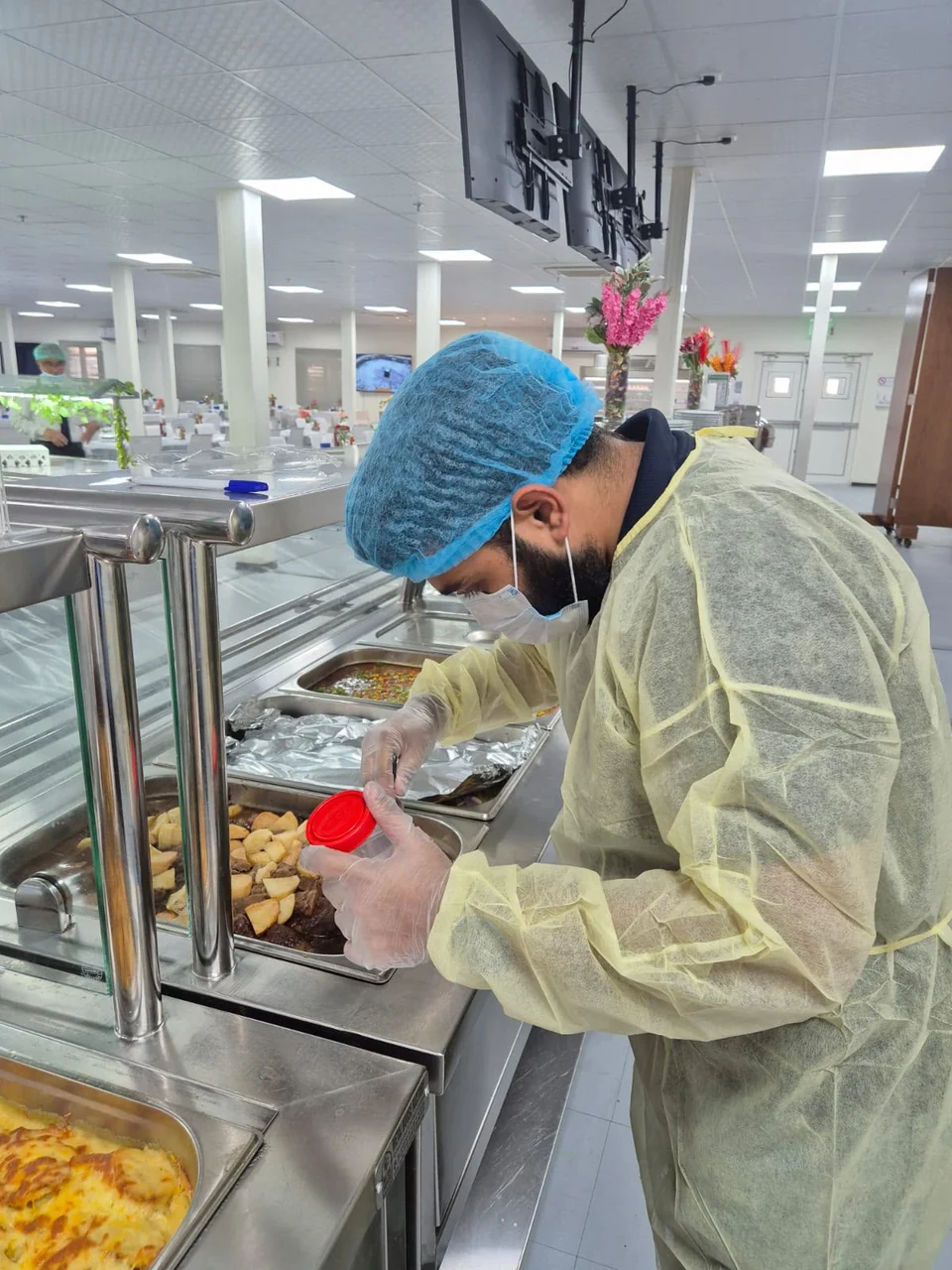
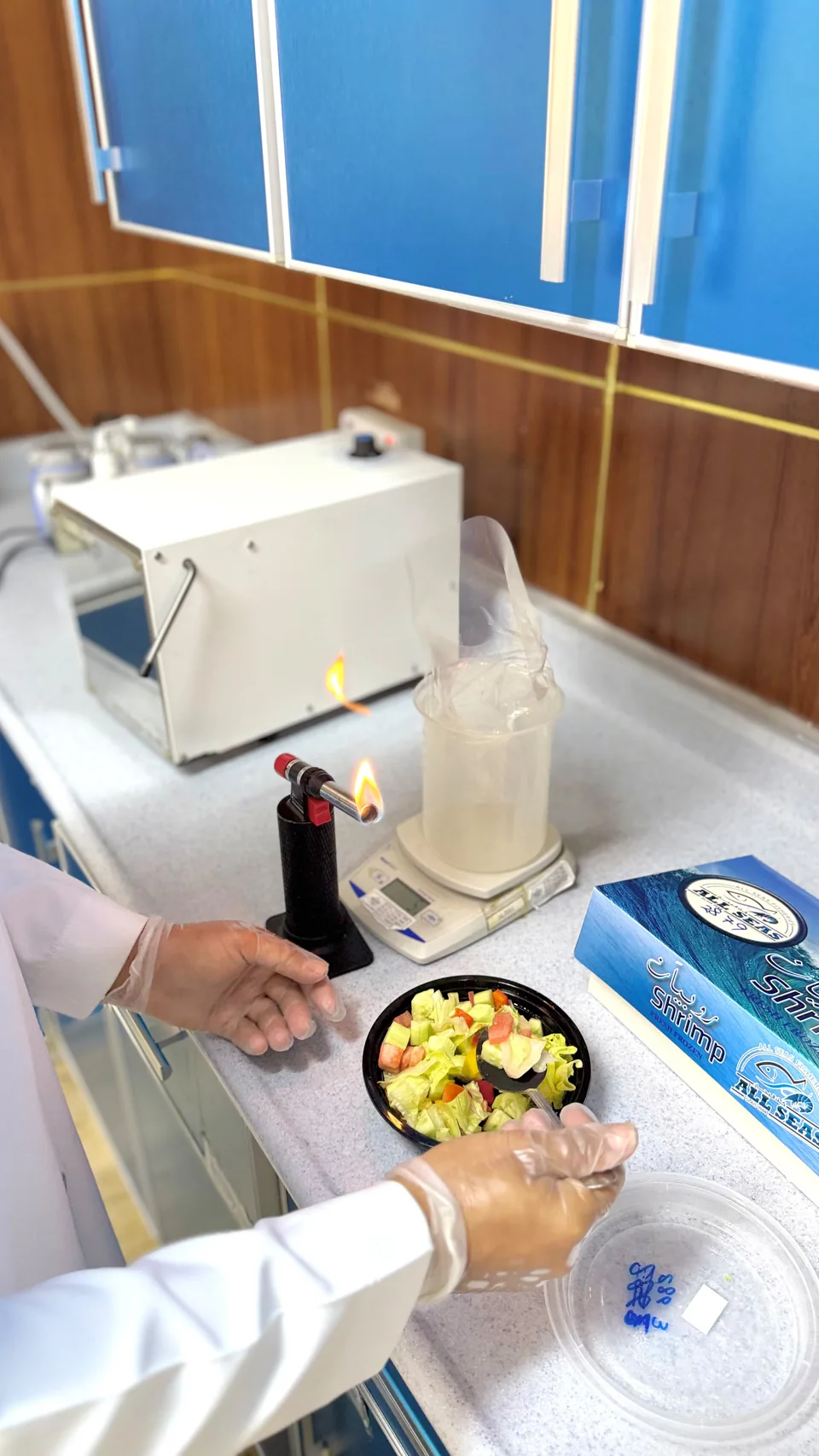
A technician preparing a food sample in the JIL laboratory
01 / FOOD MICROBIOLOGY

Know your product.
Understand the risks.

Microbiological testing supports quality decisions across ingredients, raw materials, finished products and ready-to-eat foods. We test for indicators of hygiene, spoilage microorganisms and specified pathogens.

Food, dairy, meat & poultrySeafood & produceReady-to-eat products
Discuss this service
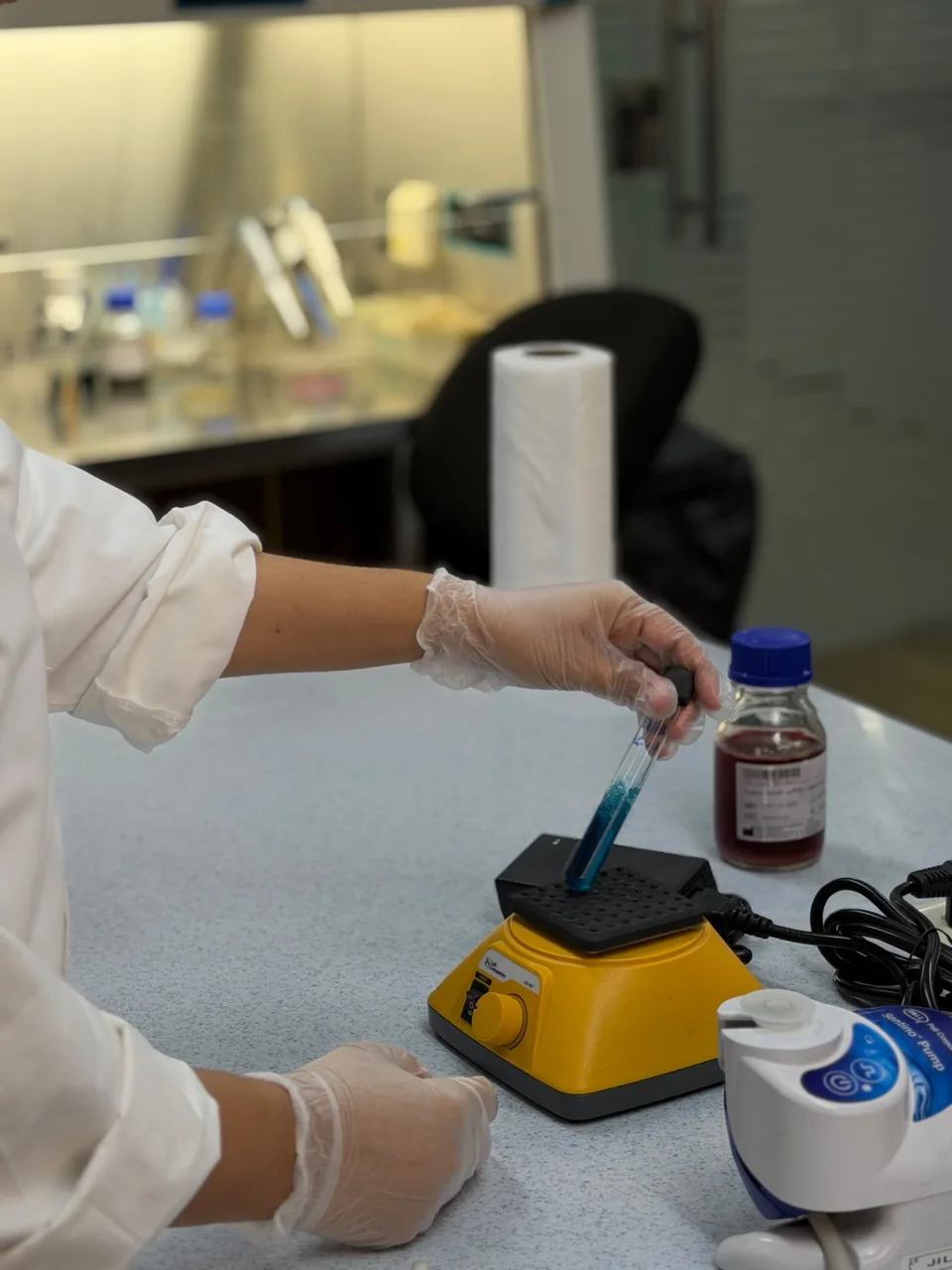
A technician mixing a laboratory sample in a test tube
02 / WATER QUALITY

Water quality

Chemical and microbiological analysis helps your team assess water used in food production and facilities. Microbiological testing can include microbial counts, coliforms, E. coli, Salmonella spp. and other organisms within the laboratory’s defined scope. Chemical analyses are coordinated through a supporting external laboratory according to your requirements.

Chemical analysisMicrobial countsSalmonella spp.Indicator organisms
Discuss this service
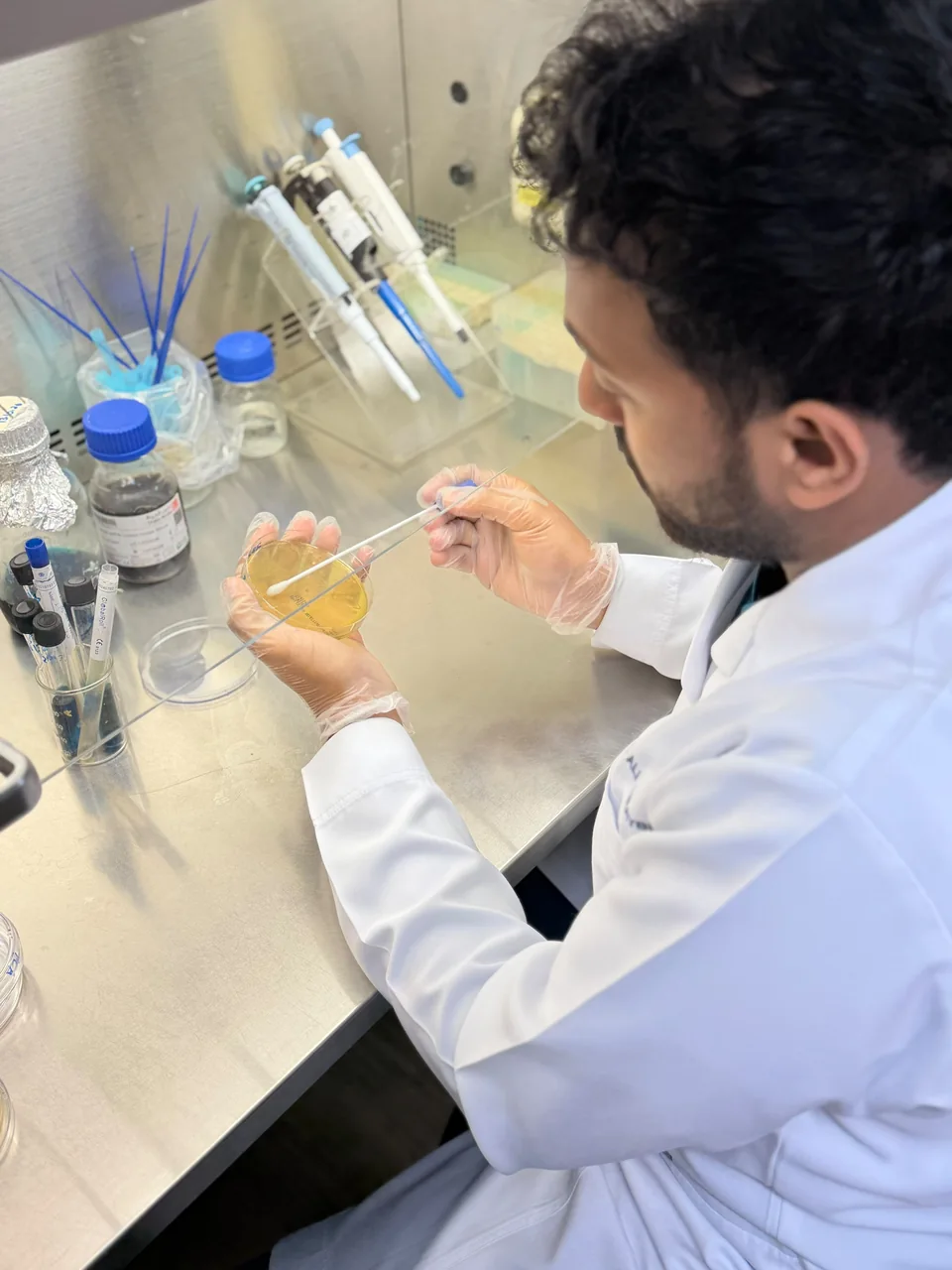
A JIL laboratory specialist working with a swab and culture plate
03 / ENVIRONMENTAL SWABS

Make hygiene
measurable.

Environmental swabs provide evidence about the effectiveness of cleaning. We test samples from equipment, food contact surfaces and working environments to support your hygiene monitoring and improvement plans.

Equipment & surfacesCleaning verificationProduction environments
Discuss this service
A JIL team member collecting a food sample during a site visit
04 / TRAINING & CONSULTANCY

Bring food safety
into everyday practice.

Our microbiology team provides training and consultancy in food safety, hygiene and quality. Support can cover HACCP, food handling practices and food safety management, tailored to your operation.

Food safety & hygieneHACCP guidanceQuality assessments
Discuss this service
Tests & parameters

Our accredited
testing parameters.

All 19 tests listed in our SAAC ISO/IEC 17025:2017 accreditation scope, with their corresponding methods. Testing applies to the sample matrices defined in that scope.

View the full accreditation scope

Food & food-chain methods 14 tests

Applicable to the food, beverage and water matrices listed in the scope.

  1. Microorganism count in food at 30°C

    ISO 4833-1:2013/Amd:2022

  2. Escherichia coli count on TBX agar

    ISO 16649-2:2001

  3. Coliform count in food and feeding stuffs

    ISO 4832:2006

  4. Yeasts and moulds count — ISO 21527-1

    ISO 21527-1:2008

  5. Coagulase-positive staphylococci count

    ISO 6888-1:2021/Amd:2023

  6. Salmonella spp. detection

    ISO 6579-1:2017/Amd:2020

  7. Listeria monocytogenes detection

    ISO 11290-1:2017

  8. Clostridium perfringens count

    ISO 15213-2:2023

  9. Vibrio parahaemolyticus detection

    ISO 21872-1:2017

  10. Campylobacter spp. detection

    ISO 10272-1:2017/Amd:2023

  11. Sulfite-reducing Clostridium spp. count

    ISO 15213-1:2023

  12. Enterobacteriaceae detection and enumeration

    ISO 21528-1&2:2017

  13. Yeasts and moulds count — low water activity foods (aw ≤ 0.95)

    ISO 21527-2:2008

  14. Bacillus cereus count at 30°C

    ISO 7932:2004/Amd:2020

Water-specific methods 5 tests

Additional methods defined specifically for water.

  1. Culturable microorganism count in water

    ISO 6222:1999

  2. Escherichia coli and coliform count in water

    ISO 9308-1:2014/Amd:2016

  3. Pseudomonas aeruginosa detection and enumeration

    ISO 16266:2006

  4. Legionella enumeration

    ISO 11731:2017/Amd:2017

  5. Intestinal enterococci detection and enumeration

    ISO 7899-2:2000

Getting started

From your requirements
to the right next step.

01 / DISCUSS

Tell us about your sample

Share the sample type, required tests and the purpose of your testing programme.

02 / CONFIRM

Agree the testing plan

Our team will confirm methods, scope, sample requirements and expected timing.

03 / COORDINATE

Arrange the next step

Coordinate sample submission and any collection requirements directly with the laboratory.

Let’s talk about your next sample.

Food, water or environmental testing. Start with a conversation.

Discuss your testing needs